HSK 6 级老 lǎo

HSK 六级(高级)· 国际中文教育中文水平等级标准收录单字 · 汉语水平考试 HSK

老

拼音:lǎo

部首:耂 · 笔画:6 画 · 结构:上下结构 · 五笔:ftxb

中文释义:年岁大经历多或衰弱陈旧

HSK 归属等级:HSK 1、HSK 2、HSK 3、HSK 4、HSK 5、HSK 6、HSK 7

HSK 6 级考纲要求Level Requirement

可以轻松地理解听到或读到的汉语信息,以口头或书面的形式用汉语流利地表达自己的见解。

Can easily comprehend spoken and written Chinese and express opinions fluently.

本级学习重点:达近母语水平:关注汉字构形理据、成语典故与书法艺术审美,理解文化内涵。

📌 该字亦出现在 HSK 1 级、HSK 2 级、HSK 3 级、HSK 4 级、HSK 5 级、HSK 7 级 的词汇表中。本页按其 1-6 级内最高等级归属(HSK 6),学习其他等级时亦可复习此字。

英文释义English Definition

发音跟读评测Pronunciation Practice

老lǎo
🎙️ 待评测

在安静环境中按标准普通话读音大声跟读,松开后自动评测发音准确度。

多语种对照释义Multilingual Definitions

prefix used before the surname of a person or a numeral indicating the order of birth of the children in a family or to indicate affection or familiarity
日姓の前に使用される接頭辞、または家庭における子供の出生順序、または感情やなじみの程度を表す数字
old (of people)
日高齢者
venerable (person)
日尊敬すべき(人)
prefix used before the surname of a person or a numeral indicating the order of birth of the children in a family or to indicate affection or familiarity
韩사람의 성명이나 가족의 아이들의 출생순서를 나타내는 숫자 또는 애정이나 친숙함을 나타내기 위해 사용되는 전장자
old (of people)
韩노인(of people)
venerable (person)
韩존경 (사람)
prefix used before the surname of a person or a numeral indicating the order of birth of the children in a family or to indicate affection or familiarity
法préfixe utilisé avant le nom de famille d'une personne ou un chiffre indiquant l'ordre de naissance des enfants dans une famille ou pour indiquer l'affection ou la familiarité
old (of people)
法vieux (de personnes)
venerable (person)
法vénérable (personne)
prefix used before the surname of a person or a numeral indicating the order of birth of the children in a family or to indicate affection or familiarity
德Präfix vor dem Nachnamen einer Person oder eine Zahl, die die Geburtsreihen der Kinder in einer Familie anzeigt oder um Zuneigung oder Bekanntheit anzuzeigen
old (of people)
德Alt (von Menschen)
venerable (person)
德ehrwürdig (Person)
prefix used before the surname of a person or a numeral indicating the order of birth of the children in a family or to indicate affection or familiarity
西prefijo utilizado antes del apellido de una persona o un número que indica el orden de nacimiento de los niños en una familia o para indicar afecto o familiaridad
old (of people)
西viejos (de personas)
venerable (person)
西venerable (persona)
prefix used before the surname of a person or a numeral indicating the order of birth of the children in a family or to indicate affection or familiarity
日姓の前に使用される接頭辞、または家庭における子供の出生順序、または感情やなじみの程度を表す数字
old (of people)
日高齢者
venerable (person)
日尊敬すべき(人)
prefix used before the surname of a person or a numeral indicating the order of birth of the children in a family or to indicate affection or familiarity
韩사람의 성명이나 가족의 아이들의 출생순서를 나타내는 숫자 또는 애정이나 친숙함을 나타내기 위해 사용되는 전장자
old (of people)
韩노인(of people)
venerable (person)
韩존경 (사람)
prefix used before the surname of a person or a numeral indicating the order of birth of the children in a family or to indicate affection or familiarity
法préfixe utilisé avant le nom de famille d'une personne ou un chiffre indiquant l'ordre de naissance des enfants dans une famille ou pour indiquer l'affection ou la familiarité
old (of people)
法vieux (de personnes)
venerable (person)
法vénérable (personne)
prefix used before the surname of a person or a numeral indicating the order of birth of the children in a family or to indicate affection or familiarity
德Präfix vor dem Nachnamen einer Person oder eine Zahl, die die Geburtsreihen der Kinder in einer Familie anzeigt oder um Zuneigung oder Bekanntheit anzuzeigen
old (of people)
德Alt (von Menschen)
venerable (person)
德ehrwürdig (Person)
prefix used before the surname of a person or a numeral indicating the order of birth of the children in a family or to indicate affection or familiarity
西prefijo utilizado antes del apellido de una persona o un número que indica el orden de nacimiento de los niños en una familia o para indicar afecto o familiaridad
old (of people)
西viejos (de personas)
venerable (person)
西venerable (persona)

点击语种标签切换对照释义,支持日语、韩语、法语、德语、西班牙语。

组词(该级范围优先)Words & Phrases

老人
那位老人每天都在公园散步。
老师
我们的语文老师讲课非常生动。
老朋友
周末我和老朋友一起去看电影。
老地方
我们还在老地方见面吧。
老年lǎo niánelderly; old age; autumn of one's yearsHSK 2
老是lǎo shialwaysHSK 2
老百姓lǎo bǎi xìngordinary people; the "person in the street"HSK 3

常用词组搭配Common Collocations

老人HSK 1
lǎo rén
old man or woman; the elderly; one's aged parents or grandparents
老师HSK 1
lǎo shī
teacher
老年HSK 2
lǎo nián
elderly; old age; autumn of one's years
老朋友HSK 2
lǎo péng you
old friend; (slang) period; menstruation
老是HSK 2
lǎo shi
always
老百姓HSK 3
lǎo bǎi xìng
ordinary people; the "person in the street"

以上为 HSK 词表中含「老」的常用词组,按等级标注,帮助掌握该字在不同词境中的用法。

HSK 例句(双语)Example Sentences

老人
那位老人每天都在公园散步。
老师
我们的语文老师讲课非常生动。
老朋友
周末我和老朋友一起去看电影。

米字格楷书临摹字帖Copybook Card

老

在米字格内按笔顺逐笔书写「老」字,把握间架结构与重心。

笔画 6 画 · 部首 耂 · 结构 上下结构
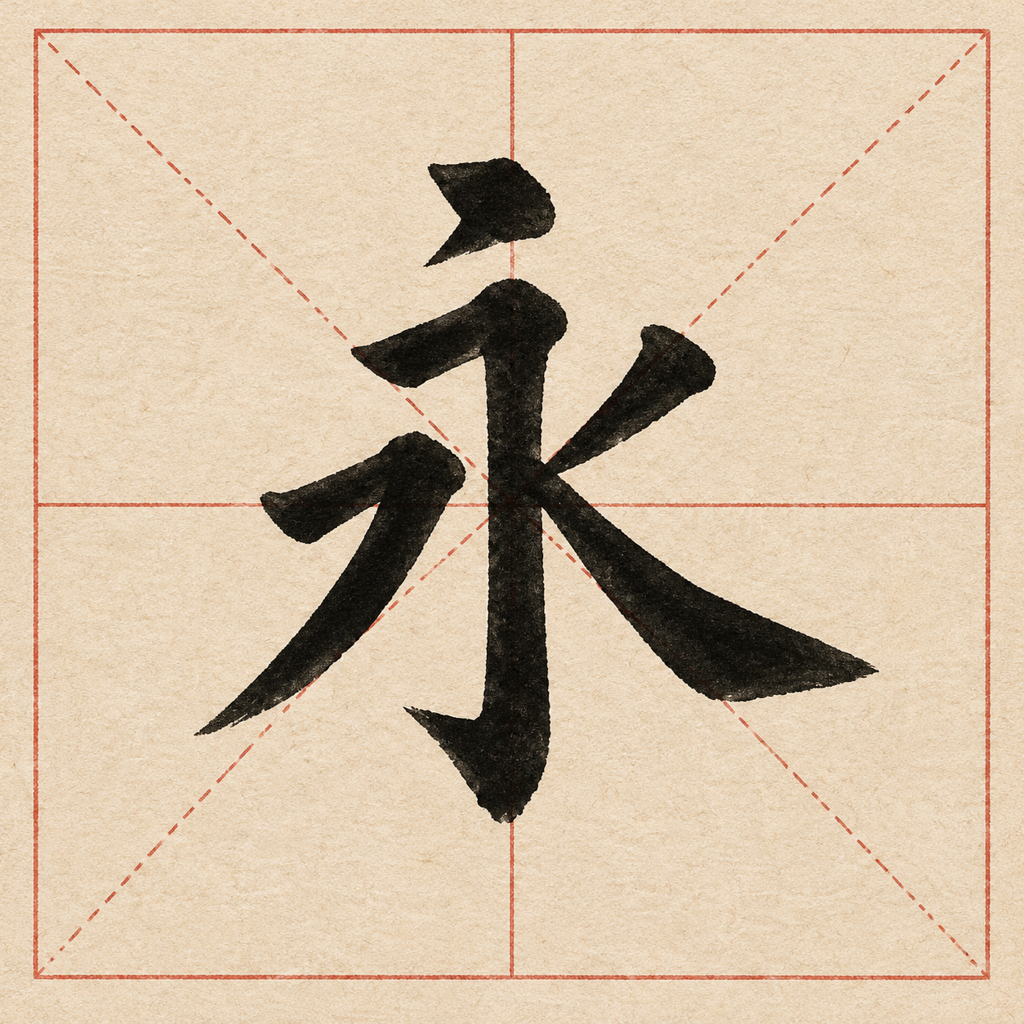
💡 米字格的十字中线与对角线帮助你定位每一笔的起笔、行笔与收笔位置,是楷书入门的标准练习格。
楷书临摹字帖卡片示例
楷书临摹字帖卡片示例(以「永」字八法为例,AI 生成)

手写描红Tracing Practice

用手指/鼠标沿「老」的描红轮廓书写支持触摸与鼠标
老

字形演变历程 · 甲骨文至正楷Character Evolution

老 甲骨文
甲骨文第 1 步
→
老 篆书
篆书第 2 步
→
老 隶书
隶书第 3 步
→
老 正楷
正楷第 4 步
老 · 甲骨文演变第 1 步 / 共 4 步
💡 释义解读:甲骨文“老”像一位长发、弯腰、拄杖的老人形象,本义指年长者。后引申为对年长者的尊称,如“长老”;又因年长者经验丰富,引申为“老练”“久”等义,如“老手”“老地方”。字义从具体形象向抽象概念扩展,体现古人对年龄与经验的认知深化。

点击各书体步骤可切换历史背景与演变解读,支持一键播放演变动画。

字形演变与字源Etymology

「老」字部首为耂,共6画,字结构属上下结构,本义为年长者持杖缓行。 甲骨文“老”像一位长发、弯腰、拄杖的老人形象,本义指年长者。后引申为对年长者的尊称,如“长老”;又因年长者经验丰富,引申为“老练”“久”等义,如“老手”“老地方”。字义从具体形象向抽象概念扩展,体现古人对年龄与经验的认知深化。 “老”字篆书见于西周晚期至秦统一,字形承袭甲骨文、金文,以长发佝偻老人形象为构形核心,上部为飘散长发,下部为持杖跛行之躯,突出衰老特征。此阶段正值周代宗法社会深化,尊老传统盛行,周礼设“三老五更”之制,字形演变反映社会对长者的敬重,篆书规整化亦体现文字系统成熟。 篆书阶段“老”字,像老人持杖缓行之形,本义为年老、衰老,多指年长者生理状态。引申出对年长者的尊称,如“老师”“长老”;又因年长者经验丰富,引申为经验深、熟练,如“老手”;还用于表示时间长,如“老房子”,字义由具体年龄向抽象属性扩展。 隶书阶段的“老”字,约形成于战国晚期至秦汉之际,其字形源于篆书“老”的简化,将原本象形人持杖的繁复结构,简化为以“土”为基、上接“匕”与“毛”的符号化形态,既保留了老者倚杖、白发垂肩的意象,又适应了隶书扁平化、波磔化的书写特征。此阶段正值汉字由古文字向今文字转型,隶书作为官方正体,广泛应用于简牍文书,其“老”字形态反映了秦汉社会对长者的尊崇与户籍管理中对年龄的明确标识需求。 隶书阶段“老”字承篆形,以长发佝偻之人形表本义“年长者”。此时引申义已趋完备:既指生理衰老,亦引申为对长者的尊称;由年迈义又衍生出“历时久”义,如“老朋友”;更虚化为副词,表程度深,如“老远”。字义从具象人形向抽象概念扩展,语义网络基本形成。 楷书“老”字定型于汉末魏晋,其形承篆隶之变,上部“耂”由“毛”与“人”演化而来,象征长者发须,下部“匕”为“人”的讹变,整体保留“长发老人持杖”的象形遗意。此阶段楷书渐趋规范,因纸张普及与书写需求激增,成为官方与民间通用书体,体现汉字由象形向符号化演进的文化趋势。 楷书阶段“老”字延续甲骨文、金文、篆隶之形,本义为年长者,指头发花白、面容沧桑的长寿之人。引申义包括对年长者的尊称、经验丰富者,如“老师”“老手”;后虚化为形容词,表时间长、程度深,如“老房子”“老朋友”;还用于自谦或亲昵称呼,如“老朽”。 《说文解字》释「老」:老 考也。七十曰老。从人毛匕。言髮變白也。凡老之屬皆从老。盧皓切。

笔顺动画Stroke Order Animation

「老」共 6 画,上方为楷书运笔轨迹示意动画。

字源思维导图Character Etymology Map

同部首衍生字 · Radical-Derived
部首 耂
老
lǎo

以「老」为中心,向同部首「耂」的衍生字辐射,帮助理解形旁表义的构字规律;形近字用于辨析易混字形。

多维导航Related Links