HSK 1 级第 dì

HSK 一级(入门级)· 国际中文教育中文水平等级标准收录单字 · 汉语水平考试 HSK

第

拼音:dì

部首:竹 · 笔画:11 画 · 结构:上下结构 · 五笔:txht

中文释义:次序用于排行或表示次第

HSK 归属等级:HSK 1、HSK 7

HSK 1 级考纲要求Level Requirement

能理解并使用一些非常简单的汉语词语和句子,满足具体的交际需求,具备进一步学习汉语的能力。

Can understand and use some very simple Chinese words and phrases to meet basic needs.

本级学习重点:认读为主:重点掌握拼音、声调与基础笔画书写,建立音形义初步联结。

📌 该字亦出现在 HSK 7 级 的词汇表中。本页按其 1-6 级内最高等级归属(HSK 1),学习其他等级时亦可复习此字。

英文释义English Definition

发音跟读评测Pronunciation Practice

第dì
🎙️ 待评测

在安静环境中按标准普通话读音大声跟读,松开后自动评测发音准确度。

多语种对照释义Multilingual Definitions

(prefix indicating ordinal number, as in 六 "sixth")
日(接頭辞はシーケンス番号、例えば六「第6」)
(literary) grades in which successful candidates in the imperial examinations were placed
日(文学)科挙試験に合格した受験生の位置する等級
(old) residence of a high official
日高官の居所
(prefix indicating ordinal number, as in 六 "sixth")
韩 (순서번호를 나타내는 전자는, 처럼六 "여섯 번째")
(literary) grades in which successful candidates in the imperial examinations were placed
韩 (문학) 제국 시험에 성공한 후보자가 배치된 등급
(old) residence of a high official
韩고위 관리자의 거주(Residence of a High Official)
(prefix indicating ordinal number, as in 六 "sixth")
法 (préfixe indiquant le numéro ordinaire, comme dans 六 "sixième")
(literary) grades in which successful candidates in the imperial examinations were placed
法 (littéraires) grades dans lesquels les candidats réussis aux examens impériaux ont été placés
(old) residence of a high official
法 (ancienne) résidence d'un haut fonctionnaire
(prefix indicating ordinal number, as in 六 "sixth")
德 (Präfix, das die Reihenzahl anzeigt, wie in 六 "Sechster")
(literary) grades in which successful candidates in the imperial examinations were placed
德 (literarische) Noten, in die erfolgreiche Kandidaten in den kaiserlichen Prüfungen platziert wurden
(old) residence of a high official
德 (alter) Aufenthalt eines hohen Beamten
(prefix indicating ordinal number, as in 六 "sixth")
西 (prefijo que indica el número ordinal, como en 六 "sexto")
(literary) grades in which successful candidates in the imperial examinations were placed
西Grados (literarios) en los que se colocaron candidatos exitosos en los exámenes imperiales
(old) residence of a high official
西 (antigua) residencia de un alto funcionario
(prefix indicating ordinal number, as in 六 "sixth")
日(接頭辞はシーケンス番号、例えば六「第6」)
(literary) grades in which successful candidates in the imperial examinations were placed
日(文学)科挙試験に合格した受験生の位置する等級
(old) residence of a high official
日高官の居所
(prefix indicating ordinal number, as in 六 "sixth")
韩 (순서번호를 나타내는 전자는, 처럼六 "여섯 번째")
(literary) grades in which successful candidates in the imperial examinations were placed
韩 (문학) 제국 시험에 성공한 후보자가 배치된 등급
(old) residence of a high official
韩고위 관리자의 거주(Residence of a High Official)
(prefix indicating ordinal number, as in 六 "sixth")
法 (préfixe indiquant le numéro ordinaire, comme dans 六 "sixième")
(literary) grades in which successful candidates in the imperial examinations were placed
法 (littéraires) grades dans lesquels les candidats réussis aux examens impériaux ont été placés
(old) residence of a high official
法 (ancienne) résidence d'un haut fonctionnaire
(prefix indicating ordinal number, as in 六 "sixth")
德 (Präfix, das die Reihenzahl anzeigt, wie in 六 "Sechster")
(literary) grades in which successful candidates in the imperial examinations were placed
德 (literarische) Noten, in die erfolgreiche Kandidaten in den kaiserlichen Prüfungen platziert wurden
(old) residence of a high official
德 (alter) Aufenthalt eines hohen Beamten
(prefix indicating ordinal number, as in 六 "sixth")
西 (prefijo que indica el número ordinal, como en 六 "sexto")
(literary) grades in which successful candidates in the imperial examinations were placed
西Grados (literarios) en los que se colocaron candidatos exitosos en los exámenes imperiales
(old) residence of a high official
西 (antigua) residencia de un alto funcionario

点击语种标签切换对照释义,支持日语、韩语、法语、德语、西班牙语。

组词(该级范围优先)Words & Phrases

第二dì èrsecond; number two; nextHSK 1
第一手dì yī shǒufirst-handHSK 7
第一线dì yī xiànfront line; forefrontHSK 7

常用词组搭配Common Collocations

第二HSK 1
dì èr
second; number two; next
第一手HSK 7
dì yī shǒu
first-hand
第一线HSK 7
dì yī xiàn
front line; forefront

以上为 HSK 词表中含「第」的常用词组,按等级标注,帮助掌握该字在不同词境中的用法。

HSK 词汇与英文HSK Vocabulary

第二dì èr
second; number two; next
第一手dì yī shǒu
first-hand
第一线dì yī xiàn
front line; forefront

米字格楷书临摹字帖Copybook Card

第

在米字格内按笔顺逐笔书写「第」字,把握间架结构与重心。

笔画 11 画 · 部首 竹 · 结构 上下结构
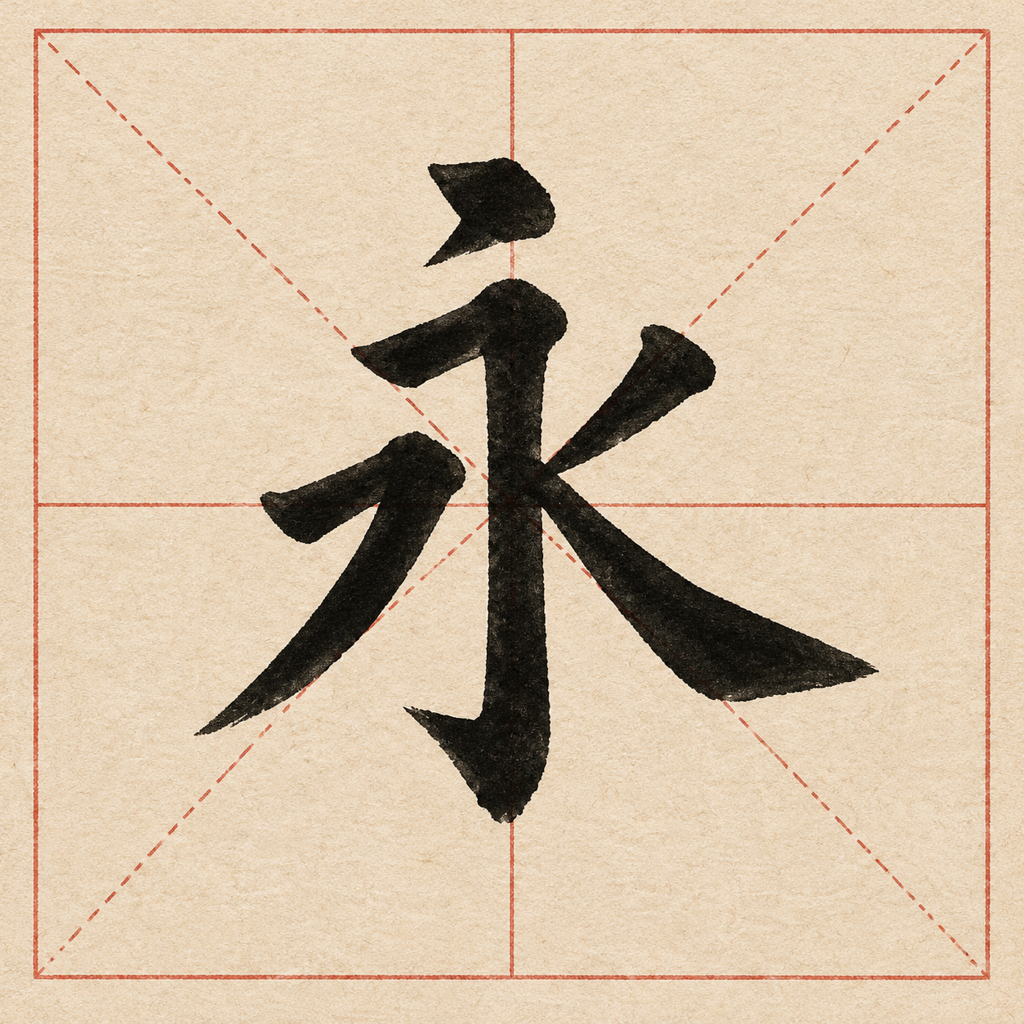
💡 米字格的十字中线与对角线帮助你定位每一笔的起笔、行笔与收笔位置,是楷书入门的标准练习格。
楷书临摹字帖卡片示例
楷书临摹字帖卡片示例(以「永」字八法为例,AI 生成)

手写描红Tracing Practice

用手指/鼠标沿「第」的描红轮廓书写支持触摸与鼠标
第

字形演变历程 · 甲骨文至正楷Character Evolution

第 甲骨文
甲骨文第 1 步
→
第 篆书
篆书第 2 步
→
第 隶书
隶书第 3 步
→
第 正楷
正楷第 4 步
第 · 甲骨文演变第 1 步 / 共 4 步
💡 释义解读:甲骨文中未见确切【第】字,其形或源于战国竹简【𥫗】(从竹弟声),本义为竹简次序标记。商周时期以【次】【序】表等级,【第】字出现后引申为科举名次、宅第等义,通过【竹简排序】本义衍生出【次第】核心概念,完成从具象到抽象的字义扩展。

点击各书体步骤可切换历史背景与演变解读,支持一键播放演变动画。

字形演变与字源Etymology

「第」字部首为竹,共11画,字结构属上下结构,本义为次第分明的竹简编次。 甲骨文中未见确切【第】字,其形或源于战国竹简【𥫗】(从竹弟声),本义为竹简次序标记。商周时期以【次】【序】表等级,【第】字出现后引申为科举名次、宅第等义,通过【竹简排序】本义衍生出【次第】核心概念,完成从具象到抽象的字义扩展。 篆书阶段的“第”字,其形源于甲骨文、金文,经小篆规范而定型,约流行于战国至秦汉。此时字形上部为“竹”表意,下部“弟”表声,本义指竹编的顺序号,后引申为等级、次第。战国时期社会阶层分化加剧,秦汉官僚体系完善,对排序、等级的需求激增,“第”字因此广泛用于表示次序、门第等,成为社会秩序的重要符号。 篆书阶段“第”从竹、从弟,本义为竹编的次序符号,用于标明次第、等级,如说文释为“次也”。引申为科举时代考中进士的等次,如“及第”,后泛指次序、排行,如“第一”“门第”,字义由具体符号演变为抽象次序概念,使用范围扩大。 隶书阶段的“第”字出现于秦汉,字形由篆书演变而来,保留了“竹”字头与“弟”声旁的结构,但笔画趋于平直简化,体现隶书“破圆为方”的特点。此阶段汉字书写从篆书的象形性转向符号化,适应了秦汉大一统后文书行政效率提升的需求,广泛应用于竹简帛书等载体,为楷书形成奠定基础。 隶书阶段“第”字承篆形,以“竹”表意、“弟”表声,本义为按次序排列的竹简,引申为次第、顺序。后由“次第”引申出科举考试及第之义,又因官宅按等级建造,借指贵族、大官的住宅,字义从具体排序扩展至抽象等级与建筑概念。 楷书阶段“第”字承袭隶书,约在东汉末至魏晋成型,至唐代楷书成熟后定型。其字形源于“竹”字头与“弟”的组合,本义为按次序排列的竹简,后引申为等级、次第。魏晋南北朝时,门阀制度盛行,“第”常用于表示家族宅第或科举名次,如“甲第”“及第”,成为社会阶层与文化秩序的象征。 楷书阶段“第”本义为按等级排列的建筑,如“府第”,由竹字头与“弟”构成,本义与竹制序号相关。后引申为次第、顺序,如“第一”,又引申为科举考试及第,表示通过。字义由具体建筑扩展至抽象等级、顺序,再引申至考试结果,体现从具体到抽象的语义演变。 《说文解字》释「第」:说文解字中未见单独条目。

笔顺动画Stroke Order Animation

「第」共 11 画,上方为楷书运笔轨迹示意动画。

字源思维导图Character Etymology Map

同部首衍生字 · Radical-Derived
部首 竹
第
dì
形近字 · Similar Characters

以「第」为中心,向同部首「竹」的衍生字辐射,帮助理解形旁表义的构字规律;形近字用于辨析易混字形。

多维导航Related Links