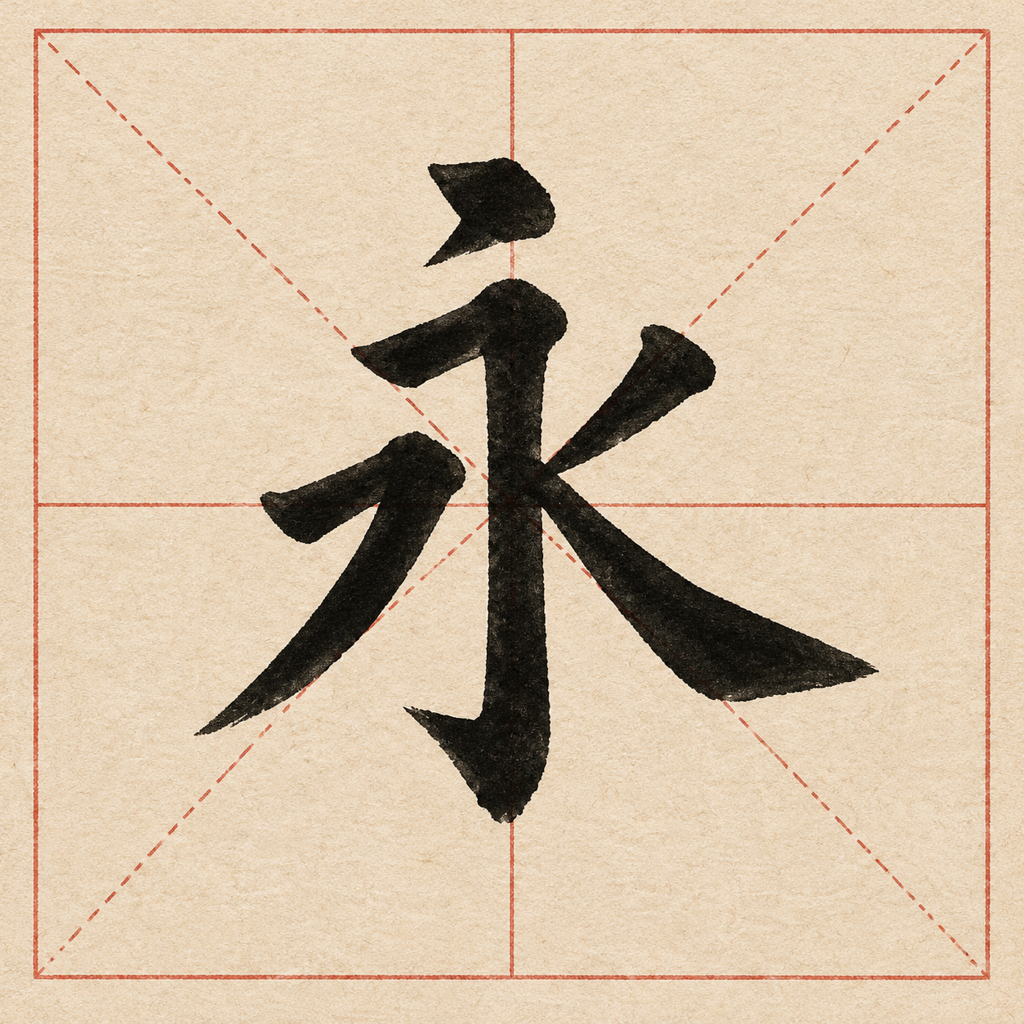
particle indicating that a previously asked question is to be applied to the preceding word ("What about ...?", "And ...?")
日前に質問した質問が前の単語に適用されることを示す粒子(「では?」、「それから?」)
particle for inquiring about location ("Where is ...?")
日クエリーの場所に使用されるパーティクル(「...どこに?」
particle signaling a pause, to emphasize the preceding words and allow the listener time to take them on board ("ok?", "are you with me?")
日粒子は一時停止信号を出して、前の単語を強調して、聴衆にそれを持っていく時間を持たせます(「いいですか?」、「私の意見に同意しますか?」)。
particle indicating that a previously asked question is to be applied to the preceding word ("What about ...?", "And ...?")
韩이전에 묻은 질문이 이전 단어에 적용되어야 한다는 것을 나타내는 입자 ("어떻게 ...?", "그리고 ...?")
particle for inquiring about location ("Where is ...?")
韩위치에 대한 문의를 위한 입자 ("어디 ...?")
particle signaling a pause, to emphasize the preceding words and allow the listener time to take them on board ("ok?", "are you with me?")
韩정지를 표시하는 입자는 이전 단어를 강조하고 청취자에게 그들을 보드에 데려 갈 시간을 주기 위해 ("ok?", "당신은 나와 함께 있습니까?")
particle indicating that a previously asked question is to be applied to the preceding word ("What about ...?", "And ...?")
法particule indiquant qu'une question posée précédemment doit être appliquée au mot précédent (« Qu'en est-il de ...? », « Et ...? »)
particle for inquiring about location ("Where is ...?")
法particule pour se renseigner sur l'emplacement ("Où est ...?")
particle signaling a pause, to emphasize the preceding words and allow the listener time to take them on board ("ok?", "are you with me?")
法particule signalant une pause, pour souligner les mots précédents et permettre à l'auditeur de les prendre à bord ("ok?", "êtes-vous avec moi?")
particle indicating that a previously asked question is to be applied to the preceding word ("What about ...?", "And ...?")
德Partikel, das darauf hindeutet, dass eine zuvor gestellte Frage auf das vorhergehende Wort angewandt werden soll („Was ist mit ...?“, „Und ...?“)
particle for inquiring about location ("Where is ...?")
德Partikel zur Anfrage nach Standort ("Wo ist ...?")
particle signaling a pause, to emphasize the preceding words and allow the listener time to take them on board ("ok?", "are you with me?")
德Teilchen, die eine Pause signalisieren, um die vorhergehenden Wörter zu betonen und dem Zuhörer Zeit zu geben, sie an Bord zu nehmen ("ok?", "bist du mit mir?")
particle indicating that a previously asked question is to be applied to the preceding word ("What about ...?", "And ...?")
西partícula que indica que una pregunta previamente formulada debe aplicarse a la palabra anterior ("¿Qué pasa con ...?", "Y ...?")
particle for inquiring about location ("Where is ...?")
西partícula para preguntar sobre la ubicación ("Dónde está ...?")
particle signaling a pause, to emphasize the preceding words and allow the listener time to take them on board ("ok?", "are you with me?")
西partícula que señala una pausa, para enfatizar las palabras anteriores y permitir al oyente tiempo para llevarlas a bordo ("ok?", "estás conmigo?")
particle indicating that a previously asked question is to be applied to the preceding word ("What about ...?", "And ...?")
日前に質問した質問が前の単語に適用されることを示す粒子(「では?」、「それから?」)
particle for inquiring about location ("Where is ...?")
日クエリーの場所に使用されるパーティクル(「...どこに?」
particle signaling a pause, to emphasize the preceding words and allow the listener time to take them on board ("ok?", "are you with me?")
日粒子は一時停止信号を出して、前の単語を強調して、聴衆にそれを持っていく時間を持たせます(「いいですか?」、「私の意見に同意しますか?」)。
particle indicating that a previously asked question is to be applied to the preceding word ("What about ...?", "And ...?")
韩이전에 묻은 질문이 이전 단어에 적용되어야 한다는 것을 나타내는 입자 ("어떻게 ...?", "그리고 ...?")
particle for inquiring about location ("Where is ...?")
韩위치에 대한 문의를 위한 입자 ("어디 ...?")
particle signaling a pause, to emphasize the preceding words and allow the listener time to take them on board ("ok?", "are you with me?")
韩정지를 표시하는 입자는 이전 단어를 강조하고 청취자에게 그들을 보드에 데려 갈 시간을 주기 위해 ("ok?", "당신은 나와 함께 있습니까?")
particle indicating that a previously asked question is to be applied to the preceding word ("What about ...?", "And ...?")
法particule indiquant qu'une question posée précédemment doit être appliquée au mot précédent (« Qu'en est-il de ...? », « Et ...? »)
particle for inquiring about location ("Where is ...?")
法particule pour se renseigner sur l'emplacement ("Où est ...?")
particle signaling a pause, to emphasize the preceding words and allow the listener time to take them on board ("ok?", "are you with me?")
法particule signalant une pause, pour souligner les mots précédents et permettre à l'auditeur de les prendre à bord ("ok?", "êtes-vous avec moi?")
particle indicating that a previously asked question is to be applied to the preceding word ("What about ...?", "And ...?")
德Partikel, das darauf hindeutet, dass eine zuvor gestellte Frage auf das vorhergehende Wort angewandt werden soll („Was ist mit ...?“, „Und ...?“)
particle for inquiring about location ("Where is ...?")
德Partikel zur Anfrage nach Standort ("Wo ist ...?")
particle signaling a pause, to emphasize the preceding words and allow the listener time to take them on board ("ok?", "are you with me?")
德Teilchen, die eine Pause signalisieren, um die vorhergehenden Wörter zu betonen und dem Zuhörer Zeit zu geben, sie an Bord zu nehmen ("ok?", "bist du mit mir?")
particle indicating that a previously asked question is to be applied to the preceding word ("What about ...?", "And ...?")
西partícula que indica que una pregunta previamente formulada debe aplicarse a la palabra anterior ("¿Qué pasa con ...?", "Y ...?")
particle for inquiring about location ("Where is ...?")
西partícula para preguntar sobre la ubicación ("Dónde está ...?")
particle signaling a pause, to emphasize the preceding words and allow the listener time to take them on board ("ok?", "are you with me?")
西partícula que señala una pausa, para enfatizar las palabras anteriores y permitir al oyente tiempo para llevarlas a bordo ("ok?", "estás conmigo?")